The offer
San Francisco would pay up to $40 million to convert the Hearst Building at 5 Third Street into a hotel, and the payment would come out of the hotel tax the property generates. 48 Hills published the agreement text on 1 February 2026. The city would make incentive payments equal to the actual General Fund transient occupancy tax revenue the new hotel generates, capped at $40 million in net present value, over a period of up to 20 years.
The building the money sits behind
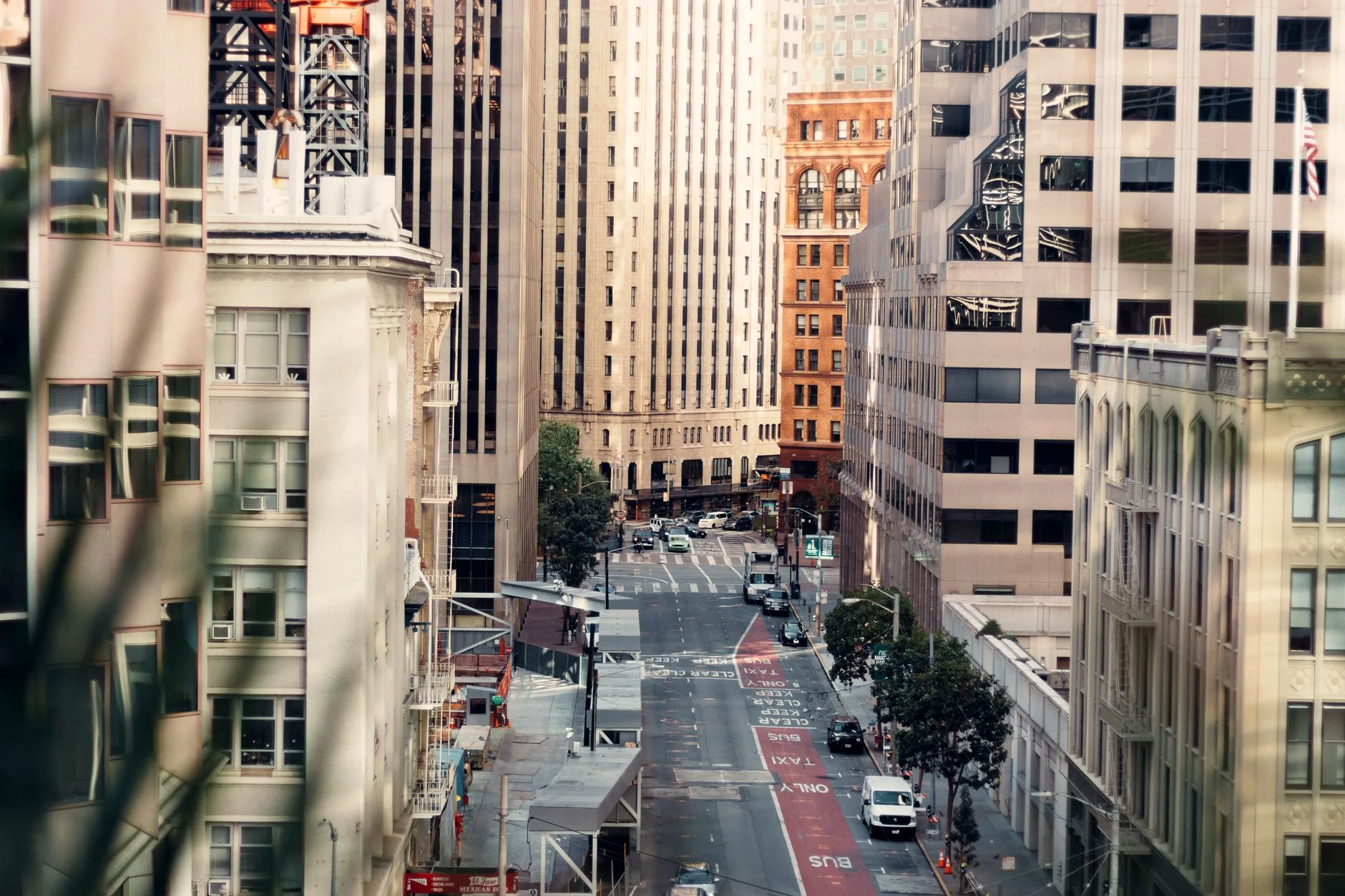
JMA Ventures holds a long-term lease on the property through its affiliate Bespoke Hospitality, LLC. The Hearst Building is three mostly vacant, internally connected commercial buildings at 5 Third Street and 17-29 Third Street.
The Planning Department has approved a mixed-use hotel project on the site with up to 170 hotel rooms, restaurant and bar space, office, retail, seismic and structural upgrades, and restoration of historical building features.
San Francisco YIMBY reported the approved programme in March 2023. The 121,470-square-foot complex carries 170 hotel rooms, 5,920 square feet of office, 11,390 square feet of retail and 21 bicycle parking spaces. Forge is the project architect. Page & Turnbull and Knapp Architects handle historic preservation.
What the subsidy buys, on the developer's own arithmetic
The agreement records the developer's numbers. Without the subsidy the project would generate an annual rate of return of approximately 3.8 percent, which the developer describes as below industry standards. With the subsidy the rate rises to approximately 17.9 percent, which the developer describes as feasible.
The Office of Economic and Workforce Development told supervisors that the project carries a demonstrated funding gap and would not pencil out without the city money. 48 Hills reported that the gap was vetted by a third party and that the third-party report sits outside the board files.
What the city counts on the other side
The city's economic analysis states net General Fund revenue of approximately $713,000 against the existing land use, after the incentive payments. It adds approximately $157,000 a year in net revenue to the Municipal Transportation Agency fund and $367,493 in hotel tax for arts and culture, which the incentive does not touch.
OEWD put new property tax revenue at $577,000 a year and the project's overall economic impact above $36 million. Supervisor Matt Dorsey, who sponsors the measure with Mayor Daniel Lurie, said the state has offered $30 million in tax incentives for the renovation, expiring in April.
Read the two columns together. The city advances the hotel tax the property would generate and books $713,000 a year in net General Fund revenue against that advance.
The disclosure fight
Section 67.32 of the Sunshine Ordinance bars the city from granting a subsidy in money, tax abatements, land or services to a private entity unless the entity agrees in writing to provide financial projections including profit and loss figures, and annual audited financial statements, as public records.
48 Hills asked the Mayor's Office and then OEWD for that material and reported finding none in the public record at the time of the committee vote. OEWD replied that the request was not simple, routine or readily answerable and would be answered on or before 13 February 2026.
The Budget and Finance Committee sent the plan forward without recommendation, 48 Hills reported on 5 February 2026. Supervisor Connie Chan objected on separate grounds. She called the earlier Twitter Tax Break a disaster in retrospect and said project-by-project tax cuts are incoherent.
What an operator watches next
The project holds an approved programme and a subsidy structure. It holds no published construction start, no general contractor and no signed opening date. The 2023 extension request ran to mid-April 2026 and put construction at about 20 months.
The supply question is timing. A 170-room conversion at Third and Market adds rooms to the same downtown market the subsidy is drawn from, and the city counts the hotel tax on those rooms both as General Fund revenue and as the source of the payment back to the developer.