The framework and its deadline
The Department of Culture and Tourism - Abu Dhabi launched the Emirati Dhiyafa (Hospitality) Standards on 7 September 2026. The framework requires hotels and hotel apartments across the emirate to build Emirati culture into the guest journey. The department plans full implementation for the first quarter of 2027.
DCT Abu Dhabi developed the framework with the National Projects Office, supported by the National Identity Committee under the Education, Human Development and Community Council. It sets 65 standards across eight stages of the visitor journey, from pre-arrival communications to departure.
The compliance floor by property type
The framework covers every hotel and hotel apartment in Abu Dhabi. A hotel adopts a minimum of 20 standards: 10 mandatory and 10 chosen by the operator from a selectable list. A hotel apartment adopts a minimum of 10: five mandatory and five selectable. The mandatory block is the same for every property. The selectable block lets an operator fit the total to its format and service level.
The five mandatory items the department published
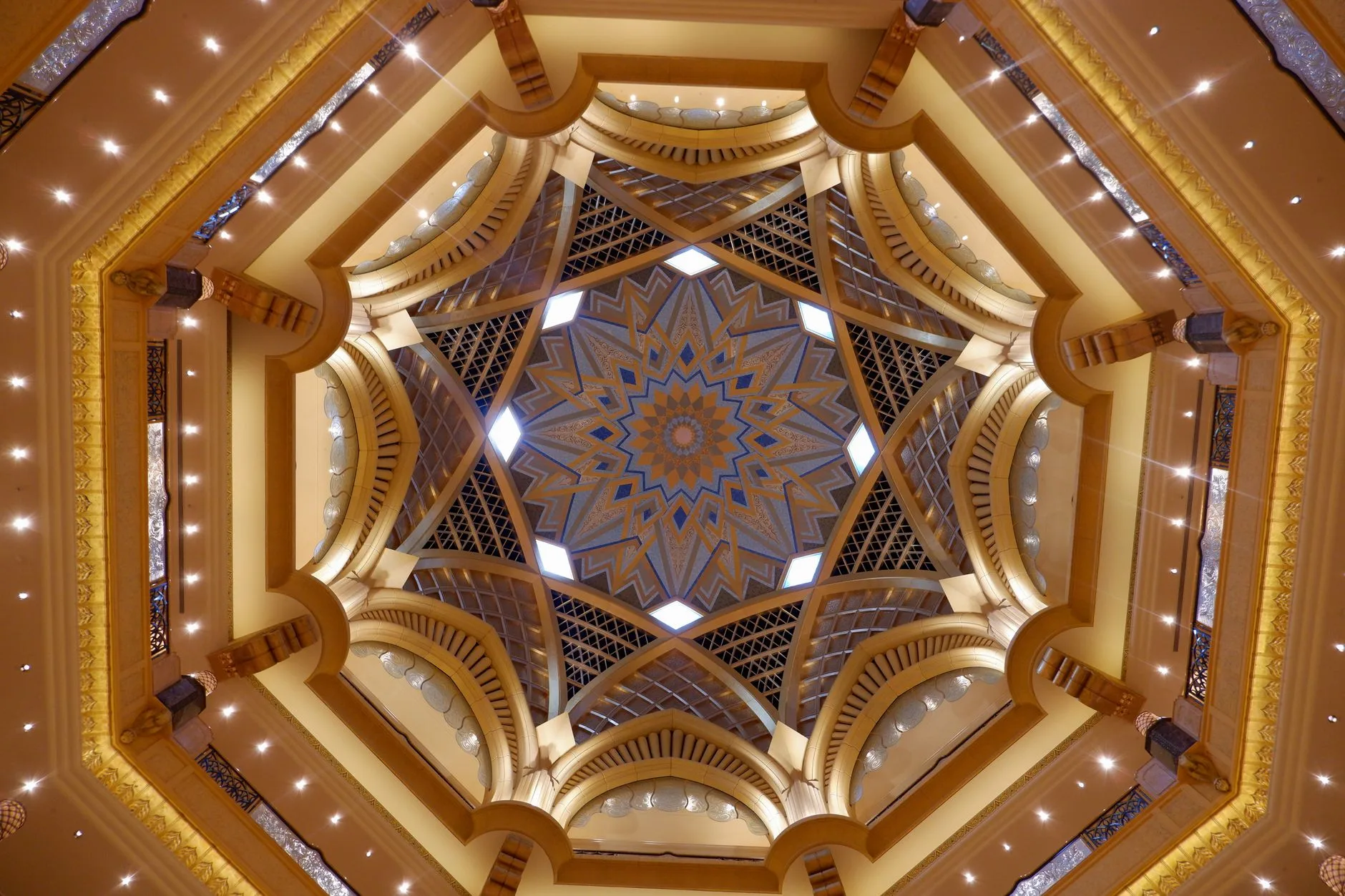
DCT Abu Dhabi released five of the mandatory standards as examples. A hotel website must carry a section or links on the history and culture of the UAE. Pre-arrival messages must give the guest information on the culture, heritage and natural setting of the country. The guest welcome area must at all times be staffed by at least one employee in traditional Emirati attire. Guest-facing and food and beverage staff must be able to name and explain at least three traditional Emirati dishes and their role in Emirati dining. At least one guest-facing public area must carry an Emirati heritage-inspired design element.
DCT Abu Dhabi issues 10 mandatory standards in total. The five above are the department's published examples.
The greeting, the coffee and the dates
The framework also fixes a cultural minimum for the guest experience. Guests are greeted with the traditional welcome Marhaba AlSaa, offered Emirati coffee and locally sourced dates of a traditional Emirati variety, and introduced to Emirati dishes including harees and balaleet. The department frames the standards as bringing the values of Al Sana', the Emirati code of etiquette, generosity and respect, into everyday visitor experiences.
Training and the operational playbook
Participating properties receive detailed implementation guidance, cultural training programmes and an operational playbook. The department has published no phased sub-deadlines. The single reference date is the first quarter of 2027, which leaves an operator roughly six months to align operations, public-area design, staff training and guest-communication touchpoints.
The mark for properties above the baseline
DCT Abu Dhabi intends to launch a guest-facing Emirati Dhiyafa Mark. The mark will recognise establishments that exceed the baseline across three tiers of excellence.
What the department has not released
Only a limited number of the 65 standards are known to hotels. The selectable list an operator draws its 10 from is not public. The Emirati Dhiyafa Mark's tiers, criteria and award procedure are not detailed either. The department states that the full text sits on the DCT Abu Dhabi portal.
What a general manager aligns before 2027
The framework turns cultural hospitality into an operational checklist with a deadline. A property changes its website, its pre-arrival messaging, its welcome-area staffing and dress, its menu and staff knowledge, and at least one public space, then selects from the remaining standards to reach 20. The published list is enough to start.
Ben Schlappig, writing for One Mile at a Time, calls some of the standards random and silly while saying he respects the tourism chief's emphasis on the warmth of a welcome. That reading is the publisher's opinion, not a framework term.